Our services
The full disposal cycle, under one mandate.
Valuation, cataloguing, marketing, auction execution, settlement and reporting. One accountable process from the day the asset register lands with us to the day your auditors close the file.
The service line
Six functions, run end to end.
You can instruct us for the whole cycle or for the parts your team does not carry in-house. Most clients take the whole cycle, because the value and the audit trail both depend on the handovers between these steps being clean.

Professional valuation
Assessment of every asset by people who know the class, from fleet and yellow metal to office and hospitality assets. The valuation sets a defensible reserve before anything reaches the market.

Asset cataloguing
Condition, specification, hours or mileage, serial and asset numbers, known defects and photography, recorded lot by lot. Lots are then structured to draw the strongest competition.

Targeted marketing
Campaigns aimed at the buyers who operate the asset class, through our verified buyer database, digital platforms and industry network. Reach is measured in qualified bidders, not impressions.

Auction execution
Live, on-site and timed-online auctions, plus a tender route where the mandate calls for one, with every bidder registered and FICA verified before they transact. A complete bid history is recorded against every lot.

Secure settlement
Buyer funds are collected and confirmed before the asset is released, and proceeds are reconciled lot by lot against the catalogue. Remittance is documented for your finance team.

Disposal reporting
A report covering every lot offered, sold and unsold, with FICA records, audit trail and financial reconciliation. Documented to align with Auditor-General requirements.
Photography is indicative of the work described. NSB Auctions site and auction imagery will replace it.
Auction formats
Four formats. The asset and the mandate decide which one.
Format is a commercial decision, not an administrative one. A single high-value machine, a mixed depot clearance and an in-situ plant disposal are three different sales problems, and running them the same way costs the seller money.

| Format | Best suited to | How bidding works |
|---|---|---|
| Live auction | Catalogues with strong buyer interest, and assets where competitive momentum lifts the price. It also carries a national or dispersed buyer pool, because the strongest bidder is often not within driving distance of the yard. | Buyers register and are verified, then bid as the auctioneer calls each lot in catalogue order, either in the room or remotely on the platform against the same live lot. The lot is knocked down to the highest bid at or above reserve, and bid history is recorded automatically in the audit trail. |
| On-site auction | Assets that are impractical or uneconomic to move: plant in situ, whole-depot and whole-premises disposals, mining and industrial equipment on the operating site. | The sale runs at the asset location on a published viewing and auction date. Buyers inspect on the premises and bid on site, with remote participation where the sale is set up for it. |
| Timed online | Large mixed catalogues, rolling disposal programmes and stock lines, where lots benefit from a longer exposure window rather than a few seconds on the floor. | Each lot has a published opening and closing time. Bids are accepted throughout the window and the lot closes to the highest bid. Closing rules for each sale are published in the conditions of sale. |
| Tenders | Mandates that require a tender rather than open outcry, whether because of the seller's own procurement rules or the nature of the asset. NSB Auctions can be used as a tender process, offered as an option alongside the auction formats. | Offers are submitted sealed rather than called in the open. The conditions of the tender are published for that mandate, and the outcome is reported back to the seller in the same way as an auction. |
Not sure which format fits? Send us the asset list. The recommendation comes out of the valuation stage, and it is made on the merits of the asset and the buyer pool, not on our diary.
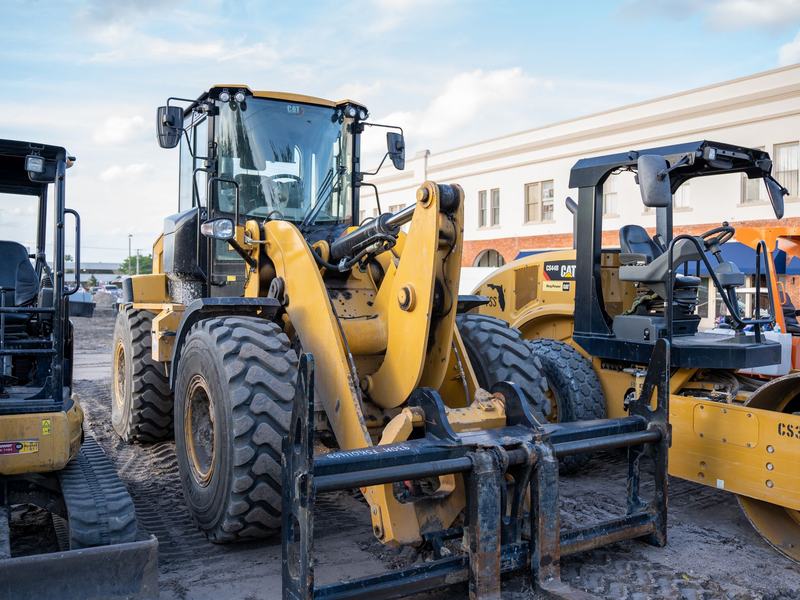
One mandate, one reporting pack.
Formats can be combined across a single disposal without splitting the audit trail.
Value-added services
The work either side of the auction.
A disposal rarely arrives clean. Assets sit across multiple sites, registration documents are incomplete, and someone still has to get the lot off the premises after the sale. These are the services that close those gaps.
Asset verification
Physical confirmation that the asset register matches what is actually standing on site. Serial and asset numbers checked against records, missing or duplicated entries flagged, and discrepancies reported before the catalogue is published rather than discovered at handover.
Logistics coordination
Coordination of the practical movement around a sale: consolidation of assets from multiple sites, access and viewing arrangements, and the collection and removal window after settlement, so buyers can take delivery without disrupting your operation.
Disposal reporting
Reporting prepared for the audience that has to read it. Lot-level outcomes, reserve status, bidder verification records, the audit trail and the financial reconciliation, packaged for internal audit, council, creditors or the Auditor-General as the mandate requires.
Questions sellers ask
The six that come up every time.
Straight answers on process. Where a number belongs, it belongs in your mandate letter, not on a web page.
Can we set a reserve price on our lots?
Yes. A reserve is agreed in writing before the lot is marketed, and it is informed by the professional valuation rather than picked out of the air. That sequence matters: a reserve set after bidding starts is difficult to defend, while a reserve set against a documented valuation is straightforward to justify.
If bidding does not reach the reserve, the lot is reported as unsold and referred back to you with a recommendation. Nothing is sold below the figure you approved.
How is commission structured?
Fees are set per mandate and confirmed in writing before the catalogue goes live. The drivers are the asset class and value, the volume of lots, the auction format, the marketing the catalogue requires, and how much preparation work is involved such as collection, storage, cleaning or verification.
Where a buyer's premium applies to a sale, it is published in the conditions of sale for that auction so both sides know the full cost of the transaction before bidding opens. You will not receive a settlement statement containing a charge that was not agreed up front.
How long does a disposal take from instruction to settlement?
We confirm a dated timeline in the mandate once we have seen the asset list, because the honest answer depends on your assets rather than on our standard turnaround.
The variables are the volume and geographic spread of the assets, access for inspection and photography, the state of supporting documentation such as registration papers and asset registers, any internal approval your organisation requires before marketing, and the marketing window the asset class needs to reach the right buyers. Compressing the marketing window is usually the most expensive way to save time.
Who pays what, the seller or the buyer?
Seller obligations are set out in the mandate. Buyer obligations are set out in the conditions of sale published for each auction. Both are agreed before the auction, and neither changes afterwards.
Seller side items generally cover commission on realised proceeds and any preparation services you instruct, such as transport, storage or cleaning. Buyer side items generally cover the bid price, any published buyer's premium, VAT where applicable, and the cost of removing the lot from site within the collection window.
What happens to lots that do not sell?
They are reported to you with the highest bid received and the reserve position, so the decision is made on evidence rather than on impression.
From there the usual options are a post-auction negotiation with an underbidder subject to your written approval, a re-offer in a later sale with fresh marketing, a revised reserve informed by what the bidding actually showed, or withdrawal and return of the asset to you. Every unsold lot appears in the disposal report, which matters for institutions that must account for assets they still hold.
What documentation do we receive at the end?
A comprehensive disposal report covering every lot offered, showing what sold, at what price, and what did not sell against its reserve. Alongside it: FICA verification records for transacting bidders, the complete audit trail from instruction through to settlement, and the financial reconciliation of realised proceeds against remittance.
The set is documented to align with Auditor-General requirements and corporate governance best practice, so it can be handed to internal audit, a council, a creditors' meeting or an external auditor without further assembly.

Send us the asset list.
A valuation view, a recommended auction format and a timeline. That is what comes back.