Buy with NSB Auctions
Bid on assets that never reach the open market.
Municipal fleet, mining plant, yellow metal, industrial equipment, repossessed assets and surplus stock. Register once, verify once, then bid live, on-site or timed online, or submit a tender where the mandate runs as one.
Why buy at auction
The asset, the price and the information are all on the table.
Auction is not a discount channel. It is a price discovery mechanism, and for buyers that has three practical consequences.
Access to assets you will not find listed
Municipal fleet, government departmental assets, mine site plant, bank repossessions and estate assets are disposed of through mandated auction, not through dealer forecourts or classified listings. If you are not registered with the auctioneer, you never see them.
Transparent competitive pricing
The price is set in the open by what buyers are willing to pay on the day, under published rules, with every bid recorded. You are not negotiating against an unseen offer or a seller's asking price. You are bidding against the market.
Lot information you can act on
Every lot is professionally catalogued before it goes to market. Specification, condition, hours or mileage, serial and VIN detail and photography, recorded so that you bid on facts rather than on a guess about what is sitting in the yard.

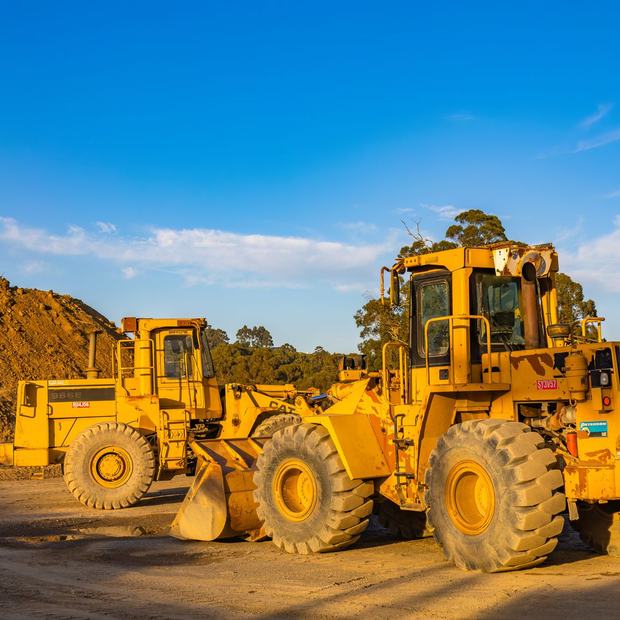
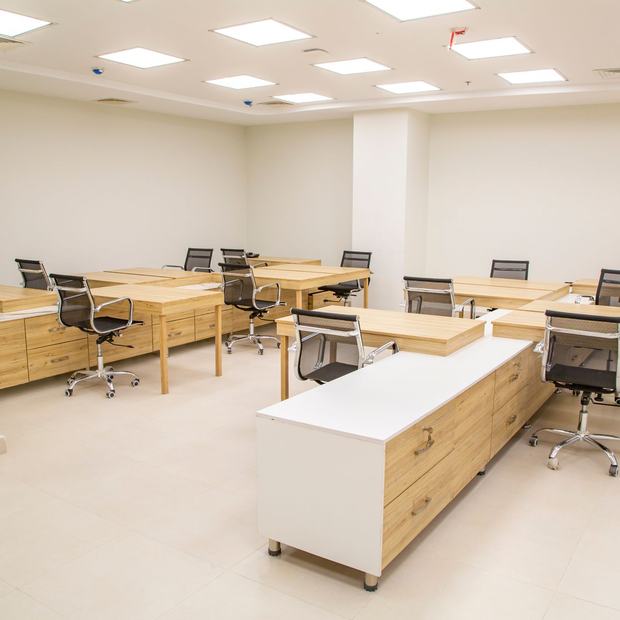
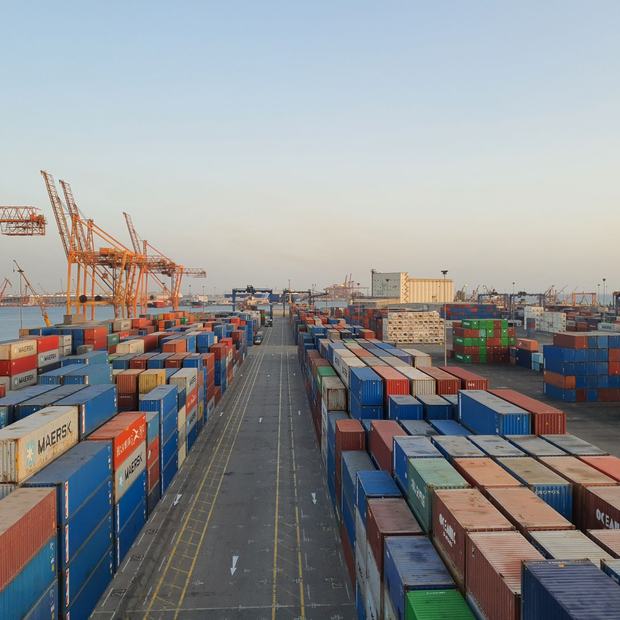
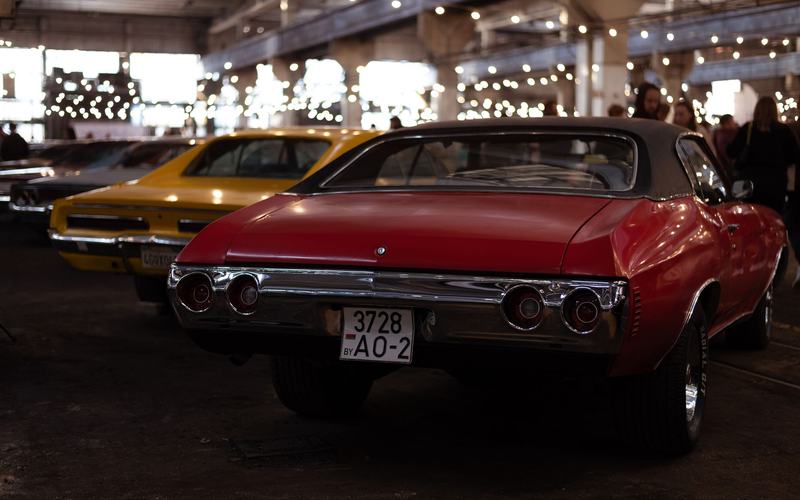
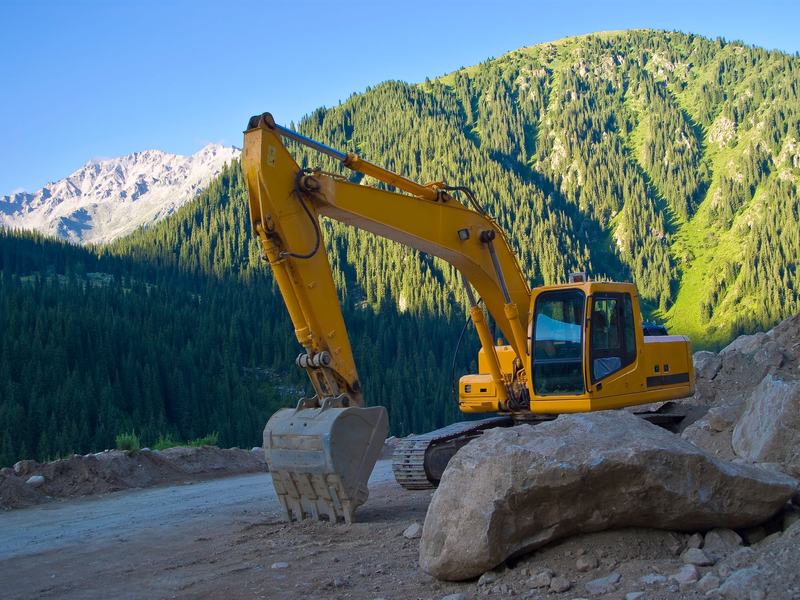
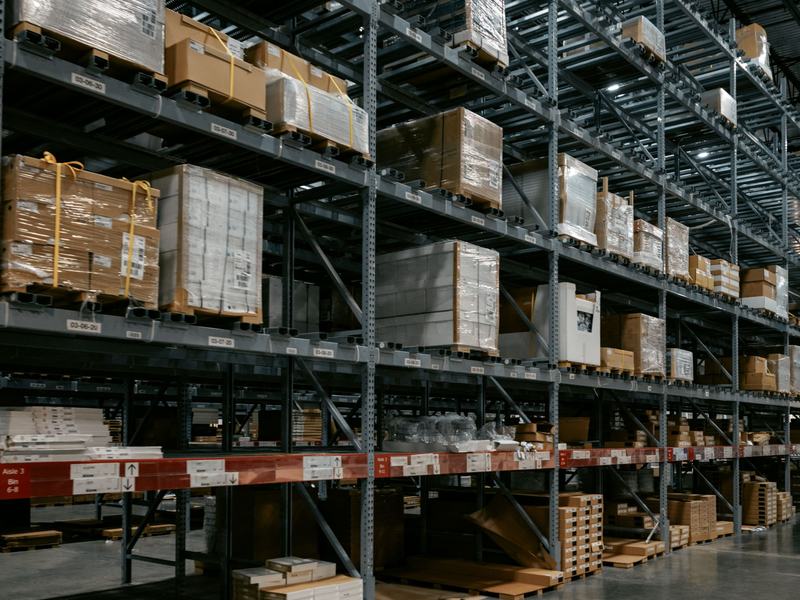
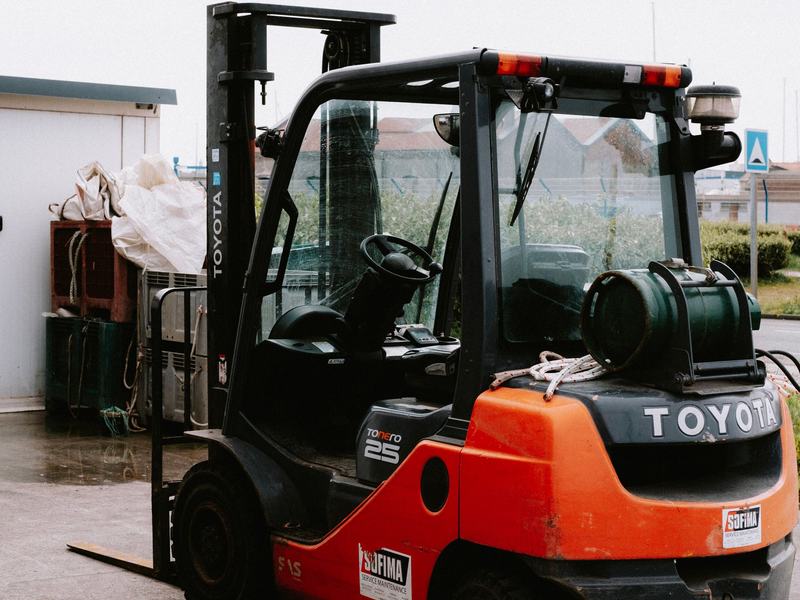
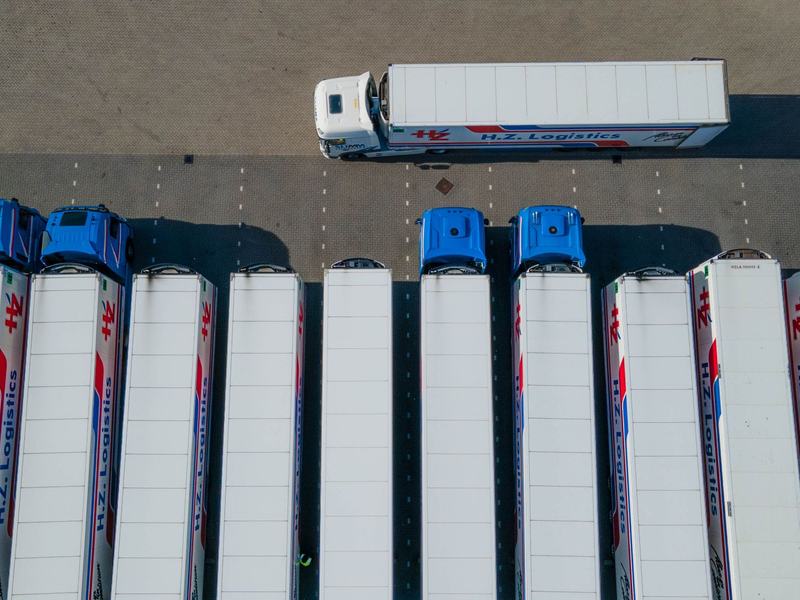
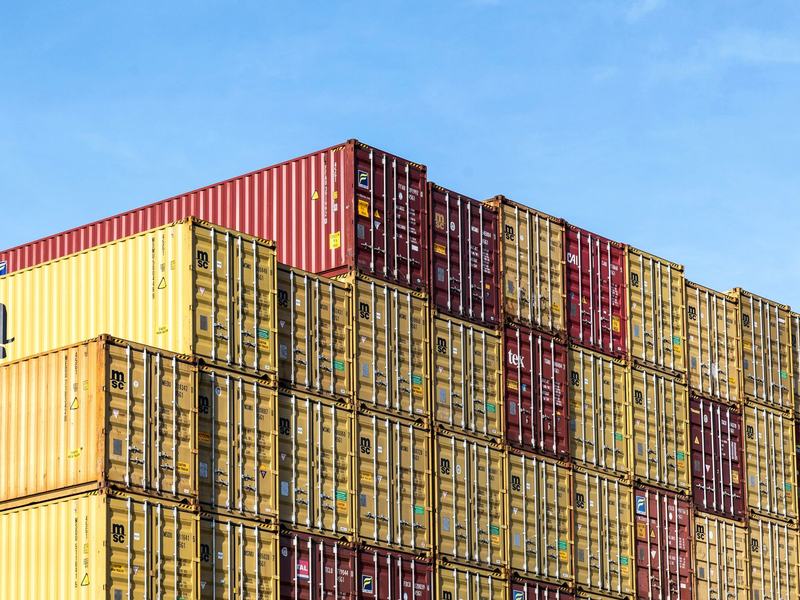
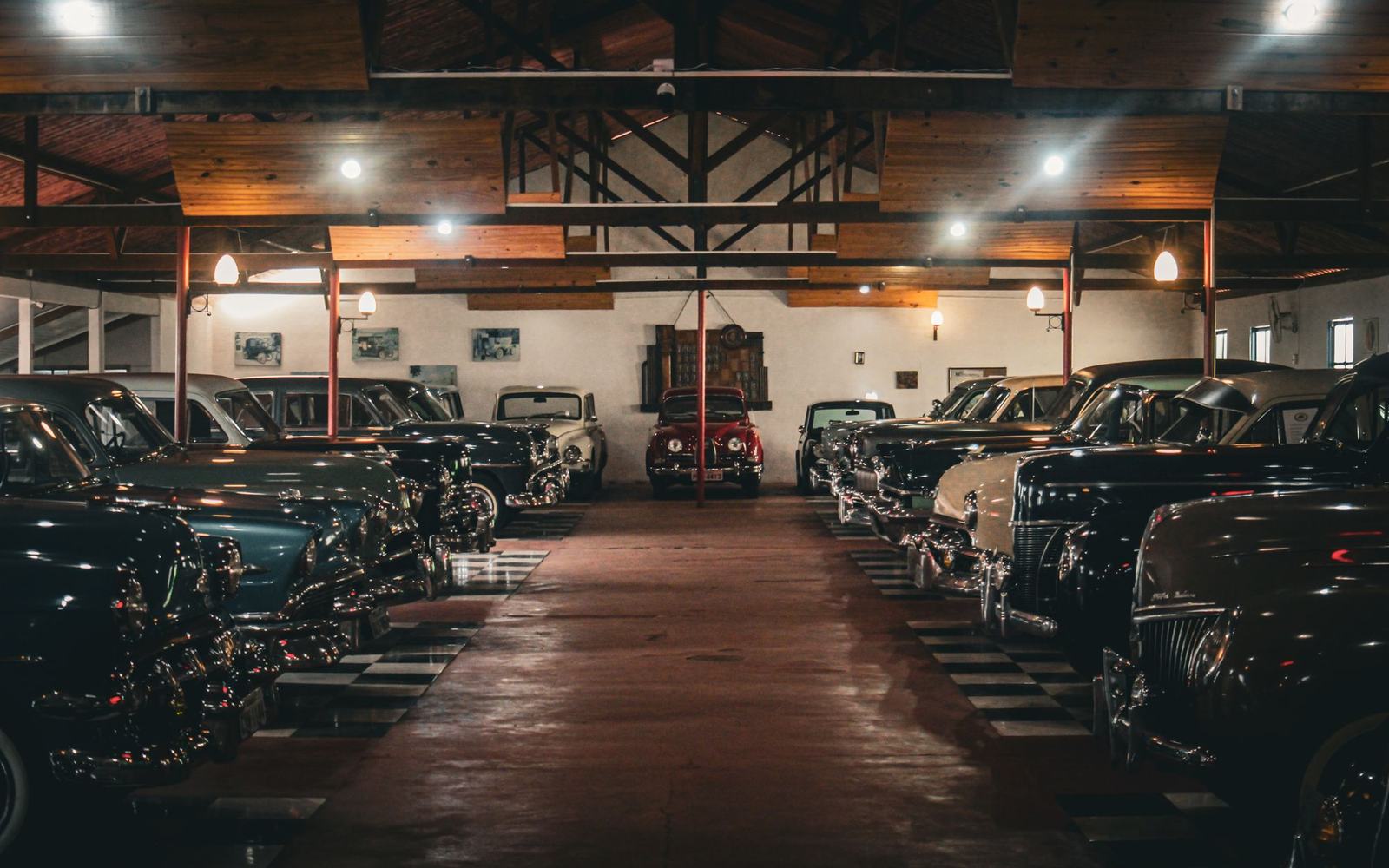
Indicative of the categories that come up for sale. Catalogue photography will be supplied by NSB Auctions.
Assets are sold as they stand. Cataloguing tells you what a lot is, and inspection tells you whether it suits you. Both matter, and the second one is your responsibility.
Registration & bidding
Four steps from stranger to registered bidder.
You do this once. After that you are on the database and you bid on any auction that suits you.
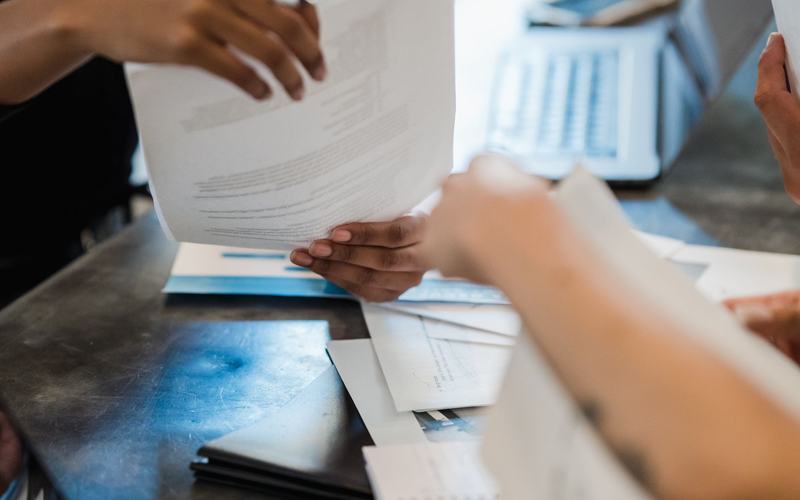
Create your account online
Registration is online and free. Register with your contact details and, if you are buying for a company, the entity you bid on behalf of.
Register ahead of the auction rather than on the day. Verification takes time, and an unverified account cannot bid.
Complete FICA verification
Submit identity and address documentation, plus company documents where you bid for an entity. We verify it before your account is activated.
It protects you too. Every bidder has been through the same process, so you compete against verified parties.
Pay the refundable deposit
There is no registration fee. On a normal auction you pay a refundable deposit of R500 before a bidding number is issued.
Deposits are refunded within 48 hours. Any further requirements are published with the auction they apply to.
Inspect, then bid
Attend the viewing or inspect the lot on site, then bid in the format the auction is running.
Set your maximum before bidding starts and hold to it. The winning bid is a contract, not an expression of interest.
Auction formats
What each format is like to bid in.
NSB Auctions runs four formats. The rules of the sale are published for each auction, but the experience of bidding differs, and it is worth knowing which one you are walking into.
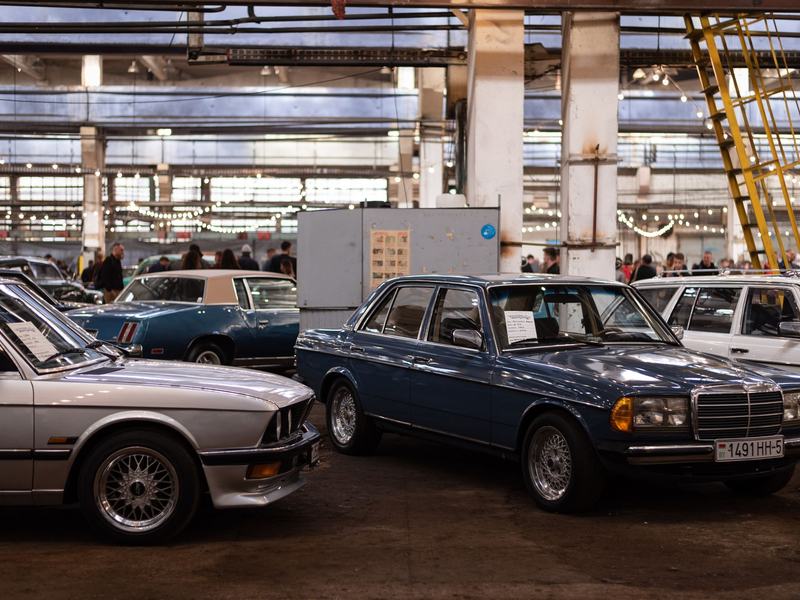
Live auction
An auctioneer calls the lots in real time and the hammer falls once. Bid from the room, or remotely from the platform against the same lot if you cannot travel. Know your lot numbers and your ceiling before it starts.
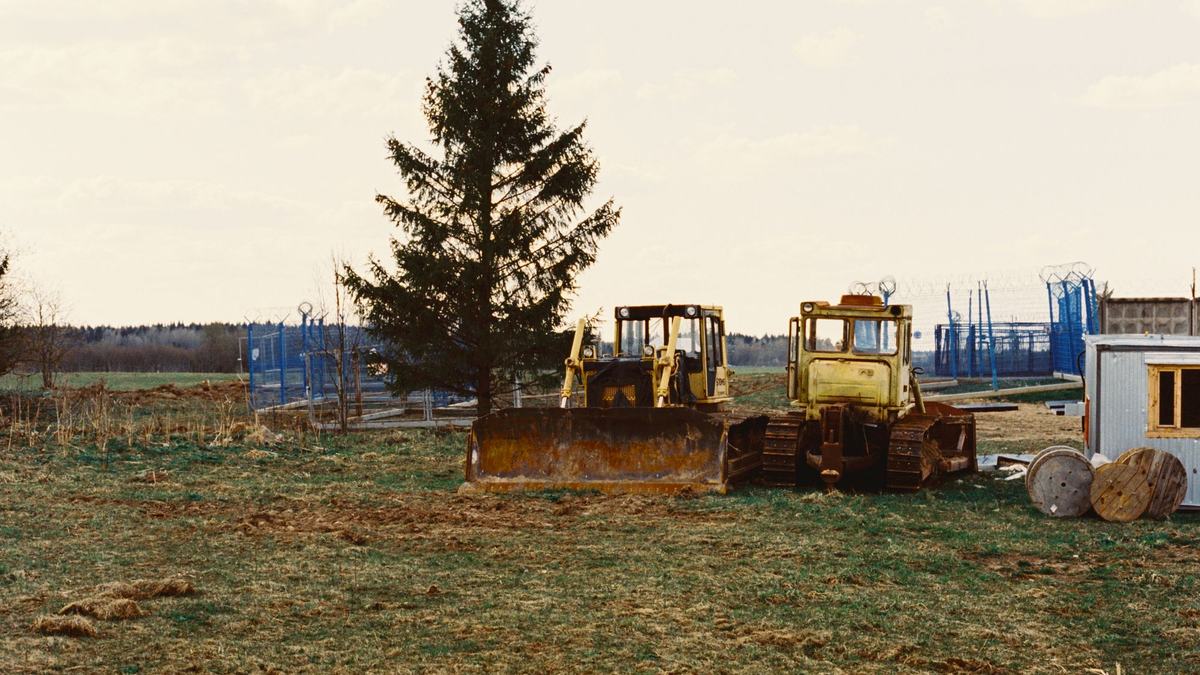
On-site auction
The sale runs where the assets stand: a depot, a mine, a factory or a hotel. You see the plant in place, often running, before you bid.
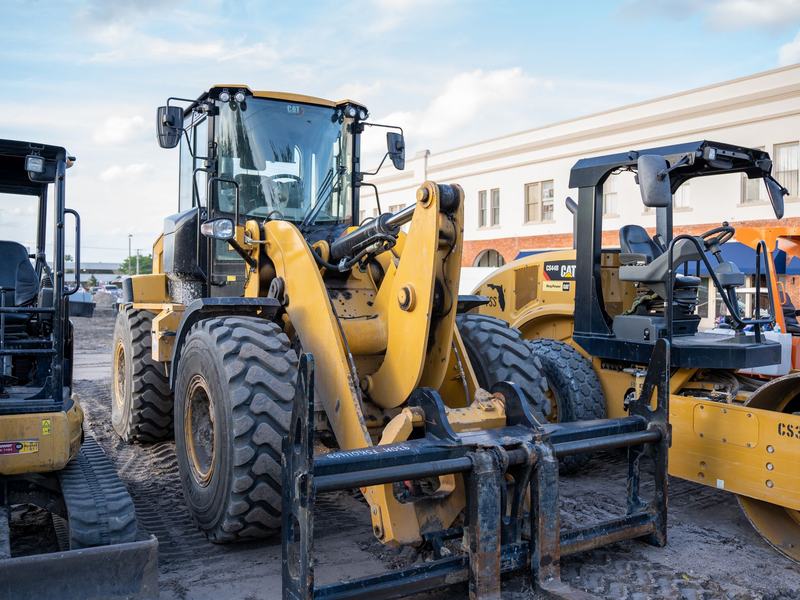
Timed online auction
Each lot opens and closes at a published time, and you bid across that window at your convenience. The closing minutes are where it is decided.
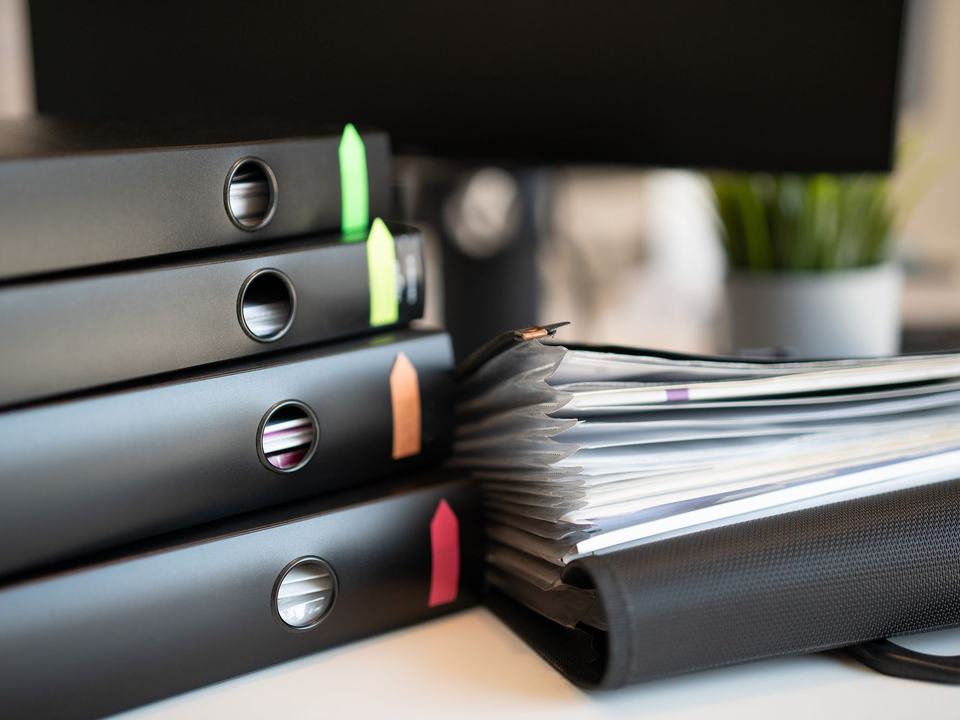
Tenders
Some mandates run as a tender rather than an open auction. You submit a sealed offer instead of bidding against the room, under the conditions published for that tender. There is no live pace to read, so your offer has to stand on its own.
FICA verification
What we need before you can bid.
FICA verification is a legal requirement, and on municipal, government, bank and estate mandates it is also a condition of the disposal itself. Sellers in those sectors need a record of exactly who acquired the asset.
Have the documentation ready before you register. Verification is the step that most often delays a first-time bidder, and it cannot be rushed on auction day.
Documents typically required
- Identity document or passport for the individual registering to bid.
- Proof of residential address, such as a recent utility account or municipal statement in your name.
- Company registration documents where you are bidding on behalf of an entity, together with a resolution authorising you to bid and transact for it.
- VAT certificate where applicable to the entity registering.
- Banking details for the account that will be used to settle and to receive any refundable deposit.
This is a typical list, not the final one. The definitive document requirement is confirmed at registration and may vary with the auction, the mandate and the type of bidder.
Buyer obligations
What you take on when you bid.
An auction is a fast process resting on a set of obligations that every registered bidder accepts. Read them before you register, not after you win.
Inspect before you bid
Lots are sold as they stand, where they stand, and cataloguing does not replace your own inspection. Attend the viewing and satisfy yourself.

Buyer's premium
A buyer's premium is added to the hammer price on your invoice, published in the conditions of sale for the auction. Factor it into your ceiling before you bid.
VAT
VAT treatment depends on the seller, the asset and your own VAT status, and the conditions of sale state how it applies to that catalogue. Confirm the position before bidding.
Payment deadline
Payment falls due within the period stated in the conditions of sale, and it is short. Assets are released only once payment reflects in full and clears.
Removal deadline
You remove what you bought within the stated removal period, at your own cost and risk. Rigging, transport, permits and specialist lifting are yours to arrange.
Read the conditions of sale
Each auction publishes its own conditions of sale, and they govern the transaction. Registering to bid means you have accepted them.
Bidding responsibly
A bid is a binding offer. Treat it that way.
This is the single thing first-time bidders most often misunderstand. A bid is not an enquiry, a placeholder or a way of testing the water. It is an offer to purchase at that figure, and if it is the highest when the lot closes, you have bought the asset.
The same holds in every format. In the room, the hammer falls. Online, the auctioneer closes the lot. On a timed sale, the clock closes it for you. There is no cooling-off period afterwards and no facility to withdraw a bid because circumstances changed.
Bid the way a professional buyer bids. Inspect first. Work out your true landed cost, including buyer's premium, VAT, transport and any repairs the asset needs. Set a ceiling from that figure and stop when you reach it. The next auction is never far away, and paying too much for the wrong lot is a worse outcome than missing it.
Before you place a bid
- You have inspected the lot, or accepted the risk of not having done so.
- You have read the conditions of sale for this specific auction.
- You know what buyer's premium and VAT will add to the hammer price.
- You have the funds available to settle within the stated payment period.
- You know how, and by when, you will remove the asset from site.
- You have set a maximum figure and you are willing to stop at it.
If you are bidding on behalf of a company, make sure your authority to commit that company is in place before the auction, not after you have won a lot.
Buyer questions
What bidders ask before their first auction.
Do I have to register before every auction?
You create your account and complete FICA verification once. After that you are on our bidder database and you do not repeat the verification for each sale, unless your details change or we need to refresh documentation.
Individual auctions still carry their own registration step: the refundable deposit and the issue of a bidding number for that sale. On a normal auction that deposit is R500, refunded within 48 hours. Requirements are published with the auction they apply to.
Can I inspect a lot before bidding?
Yes, and you should. Viewing arrangements are published with each auction, including where the assets are located and when they can be inspected.
For on-site sales the viewing is at the depot, mine, factory or premises itself. Bring whatever you need to assess the asset properly, and allow enough time. Assets are sold as they stand, so the inspection is your protection.
What is added to the hammer price?
A buyer's premium is added to the hammer price, and VAT applies according to the mandate and your own VAT status. Both are set out in the conditions of sale published for each auction.
Beyond that, transport, rigging, permits and any statutory registration costs on vehicles are yours. Work out your landed cost before you bid, not after.
When do I pay, and when can I collect?
Payment falls due within the period stated in the conditions of sale for the auction, and assets are released only once payment has been received in full and cleared.
Collection then happens within the published removal period, at your cost and risk. Arrange your transport in advance, particularly for heavy plant, where lifting and permits take longer to organise than buyers expect.
Can I withdraw a bid or change my mind after winning?
No. A bid is a binding offer to purchase, and the highest bid at the close of the lot is a concluded sale. There is no cooling-off period and no withdrawal because your circumstances have changed.
Failing to complete on a lot you have won has consequences under the conditions of sale, which can include losing your deposit and having your bidding privileges withdrawn.
Can I bid on behalf of my company?
Yes. Register the entity rather than yourself as an individual, and provide the company registration documents together with a resolution authorising you to bid and transact on its behalf. A VAT certificate is required where applicable.
Get this in place before the auction. Verification of an entity takes longer than verification of an individual, and an unverified account cannot bid.
Browse the catalogue
See what is open for bidding now across fleet, mining and yellow metal, industrial plant, corporate and hospitality assets, repossessions and estate stock. Filter by category and format, and open any lot for the full description.
View current auctions →Register to bid
Registration is free. Start your bidder account and complete FICA verification ahead of the auction you are interested in. Our team will confirm the documentation required and the deposit that applies to that sale.
Start registration →Online bidder registration goes live once the auction platform is connected. Until then, contact our team on 068 618 1580 or info@nsbauctions.co.za to register for an upcoming auction.
Find the lot you came for.
Fleet, plant, yellow metal, equipment and stock, catalogued in detail and offered under published rules. Register once and bid on any auction that suits you.