Government & municipal services
Disposal that holds up when the auditors arrive.
NSB Auctions disposes of redundant municipal and government assets under MFMA and PFMA compliant processes, with an audit trail assembled as the work happens rather than reconstructed afterwards.
The problem
The asset register says it is worth something. The yard says otherwise.
Every municipality and department carries assets that stopped being useful long before they stopped being recorded.
Refuse compactors that failed their last roadworthy check. A grader waiting on parts that are no longer manufactured. Two floors of office furniture from a building that was consolidated. Meters, transformers and cable stock superseded by a network upgrade. All of it sits on the register, carries a depreciating book value, occupies yard and store space that is needed for working assets, and quietly draws security, insurance and stocktake effort every year it stays there.
The reason it stays there is seldom that nobody wants it sold. It is that disposal is exposed. Every step is examinable after the fact, and an official who authorises a disposal that later cannot be evidenced carries that finding personally. The safe decision, in the short term, is to do nothing. The cost of doing nothing simply does not appear as a line item.
Our position is straightforward. A disposal that is properly valued, openly marketed, competitively bid and completely documented is easier to defend than an asset that was written down year after year while it deteriorated in a yard.
What idle assets actually cost
- Book value that keeps depreciating while condition falls faster than the schedule
- Yard, depot and store space that working fleet and stock need
- Security, insurance and stocktake effort on items nobody intends to use
- Deterioration, weather damage, stripping and theft of components
- Audit queries on assets that cannot be located or verified
- Capital that could have been recovered while the asset still had a market
How we work
MFMA and PFMA compliant disposal, explained as a process.
The Municipal Finance Management Act governs how municipalities and municipal entities manage and dispose of assets. The Public Finance Management Act does the same for national and provincial departments and public entities. Both put the same question to an accounting officer: can you show that this was authorised, competitive, transparent and correctly accounted for?

1. We start from your instruction, not from our template
Before anything is inspected, we work from your approved disposal policy, your supply chain management policy and your delegation of authority. Those documents tell us who authorised the disposal, what was authorised, and what conditions attach to it. Our mandate letter records that scope so there is no gap between what council or the accounting officer approved and what we take to market.
2. Assets are verified against the register
Each item is inspected and matched to the asset register: asset number, description, registration or serial, condition and location. Items that cannot be located or reconciled are reported back to you before the auction, not discovered afterwards. This step is where most audit findings are prevented, because it fixes the difference between what the register says exists and what is physically standing in the yard.
3. Valuation establishes a defensible reserve
A professional valuation gives you a documented basis for the reserve on each lot. The purpose is not to guarantee a price. It is to ensure that when a lot sells, you can show what the expected market range was and that the realised price was tested against it, and that when a lot does not sell, the decision not to accept the highest bid was made against a recorded position.
4. Open marketing creates the competition
Competitive bidding is the core of a defensible disposal, and competition depends entirely on reach. Lots are catalogued in detail and marketed to our verified buyer database, digital platforms and industry network, with the viewing dates, terms and removal conditions published up front. The marketing record itself forms part of the evidence that the disposal was open.
5. The auction is run under published rules
Live, on-site or timed online, or a tender where your procurement rules require one, chosen with you to suit the asset class, the location and the timeline. Every registered bidder is FICA verified before transacting. Every bid is recorded. The bid history for each lot is retained and forms part of your reporting, so the price achieved can be traced back through the bidding that produced it.
6. Settlement is reconciled lot by lot
Assets are released only once payment has cleared and removal has been authorised. Proceeds are reconciled against the catalogue, lot by lot, and settled to the client with a report that ties realised value back to the register entries you started with. Your finance team can post it and your auditors can follow it without asking us for anything further.
The audit trail is the deliverable. The auction produces the money. The record produces the sign-off. We treat both as the output of the mandate, which is why the reporting pack is compiled as the work proceeds rather than assembled on request months later.
Asset classes
What we typically dispose of for this sector.
If it is on the register, no longer needed, and approved for disposal, it can generally be catalogued and sold.

Municipal fleet
Refuse compactors, skip loaders, tippers, water tankers, light delivery vehicles, buses and grounds equipment.

Plant and yellow metal
TLBs, front end loaders, excavators, graders, rollers, generators, compressors and access platforms.

Office and IT equipment
Desks and seating, filing and counter fit-out, computers, printers, telephony and building services units.
Redundant infrastructure and stores
Superseded meters, transformers and switchgear, pumps and valves, cable stock and obsolete store holdings.

Scrap and unserviceable items
Ferrous and non-ferrous scrap, stripped vehicles, end-of-life plant sold for parts, and redundant containers and structures.

Something not listed?
Send us the register extract and we will tell you what has a market, what is realistically scrap, and how we would structure the sale.
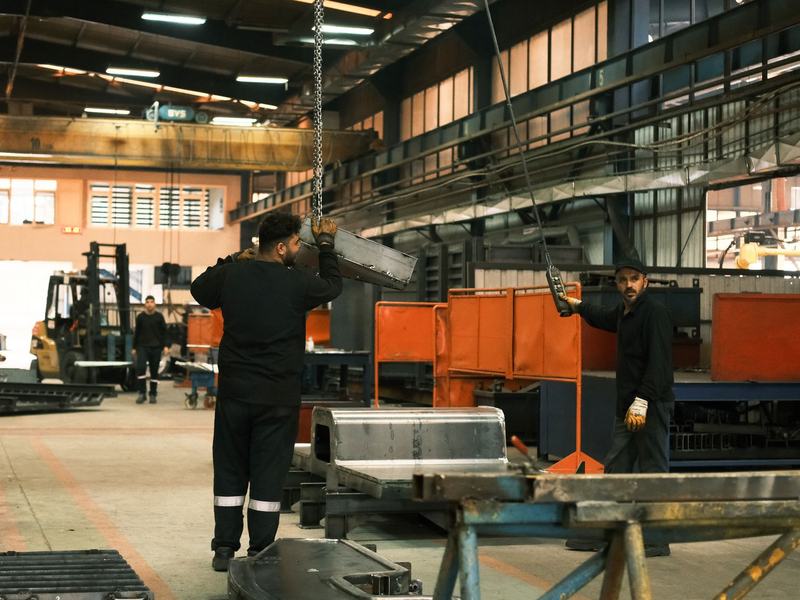
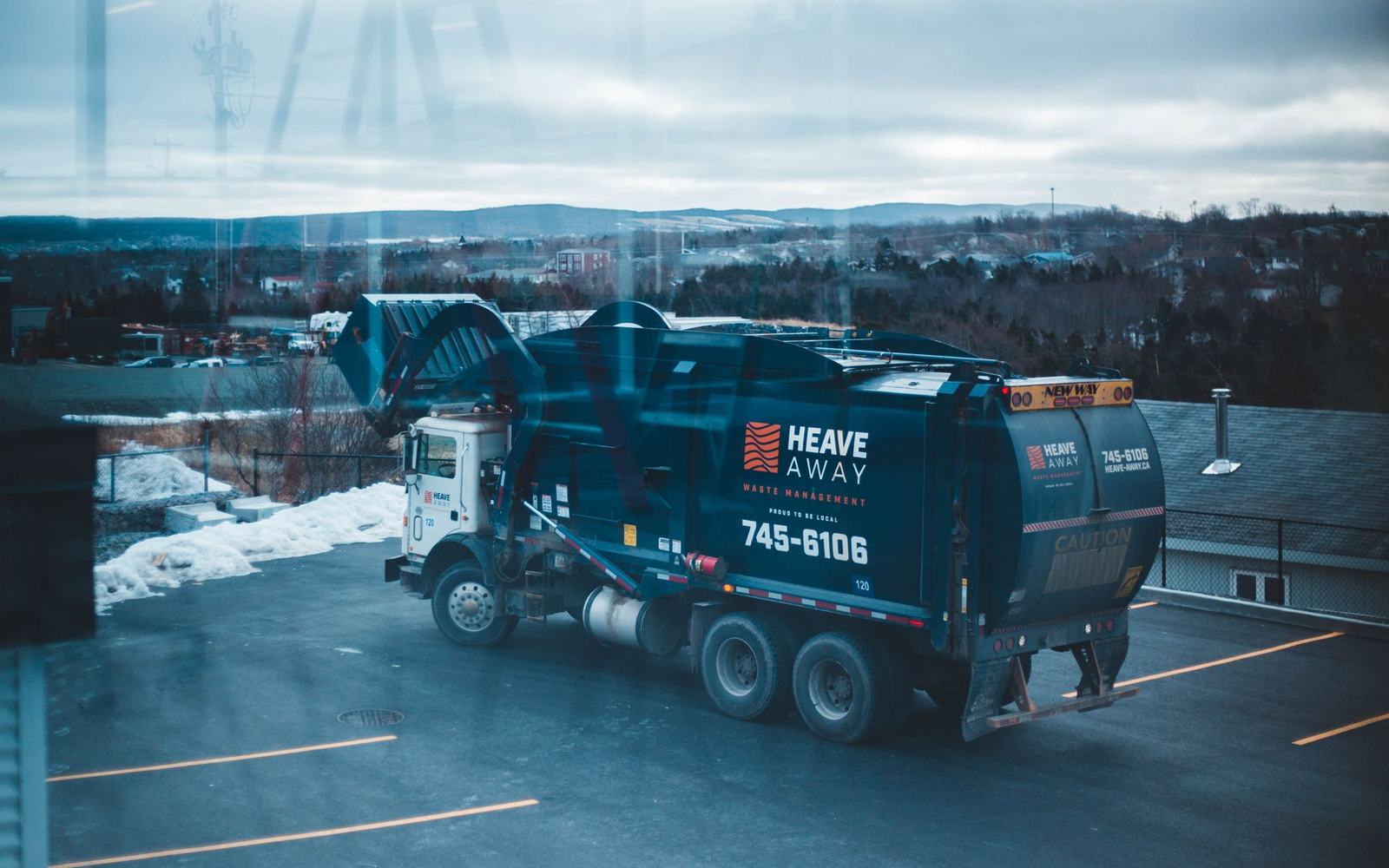
Send us a register extract →Photography shown is illustrative stock imagery, standing in until NSB Auctions supplies its own auction and asset photography.
Your reporting pack
What the municipality receives.
Five documents, produced on every mandate, sufficient to reconstruct the entire disposal from instruction to bank statement.
| Document | What it contains | What it answers |
|---|---|---|
| Disposal report | Every lot offered, with description, asset or register reference, condition, reserve position, outcome and realised price. | What was sold, what was not, and for how much. |
| FICA verification records | Identity and verification records held for bidders who transacted on the sale. | Who bought, and whether they were properly verified. |
| Bid history | The recorded bidding on each lot, showing progression to the winning bid. | Whether the price was genuinely competed for. |
| Audit trail | Mandate and instruction, catalogue, marketing record, viewing and auction dates, terms published, release and removal authorisations. | Whether the process followed the approved policy at every step. |
| Financial reconciliation | Realised proceeds reconciled lot by lot against amounts received and settled, with deductions itemised. | Whether the money received matches the money accounted for. |

The NSB methodology
Four stages, framed for a public sector mandate.
The same four stages run on every disposal we handle. Here is what each one produces for a municipality or a department.
Valuation & cataloguing
Assets inspected on site, matched to the register, condition assessed and catalogued in detail. You receive a documented valuation basis for each reserve and a reconciliation of register entries against what physically exists.
Marketing & reach
Targeted campaigns through our verified buyer database, digital platforms and industry network, with terms, viewing dates and removal conditions published. The reach is what creates competition, and the record of it evidences an open process.
Auction execution
Live, on-site or timed online, or a tender where your procurement rules require one, agreed with you before the catalogue is released. FICA verified bidders, published rules, and a retained bid history for every lot, whether it sells or not.
Secure settlement
Payment cleared before release, removal authorised and controlled, proceeds reconciled lot by lot and settled with reporting your finance team can post and your auditors can follow.
Questions we are asked
What municipal officials want to know first.
Do you handle the disposal end to end, or only the auction?
End to end, from the point at which the disposal has been approved. We inspect and value the assets, catalogue them, market them, run the auction in the agreed format, collect and reconcile the proceeds, and hand over the reporting pack.
The decision to dispose, and the approval behind it, stays with the municipality or department. We do not initiate disposals and we do not advise on whether an asset may be disposed of. That sits inside your governance framework, and we work to whatever it produces.
What does the municipality have to approve before assets go to auction?
Whatever your own approved disposal policy and delegation of authority require. In practice that usually covers three things: the identification of the assets as no longer needed, the approval of the disposal by the body or official holding that delegation, and the mandate appointing the auctioneer with the scope of assets and the agreed terms.
We ask for those documents at the outset and record them in the mandate file, because they are the first thing an auditor will look for when the disposal is examined. NSB Auctions works to the instruction issued and does not determine what may be disposed of.
How do we prove the process to the Auditor-General?
With the documentation pack produced on every mandate: a lot by lot disposal report, FICA verification records for transacting bidders, the full bid history, a complete audit trail from instruction through to settlement, and a financial reconciliation against realised proceeds.
Together those five documents let an examiner trace any single asset from the register entry, through the approval, the catalogue, the marketing, the bidding and the sale, to the amount received and settled. That is the standard we build to, and it is the same standard whether the mandate is five vehicles or an entire depot.
What happens if a lot does not reach its reserve?
It is not sold. It is reported to you as unsold, together with the highest bid received, so the decision sits with you on a documented basis.
From there you decide whether to re-offer it in a later auction, revise the reserve within your own approval framework, or withdraw it entirely. Nothing is sold below an agreed reserve without your written instruction, and any revision is recorded in the mandate file.
Can assets be sold from our own depot instead of being moved?
Yes. On-site auctions are one of our four formats and are frequently the practical choice for large fleet, plant or store clearances, because transport and double handling costs come straight off the net proceeds.
Viewing arrangements, access control, safety requirements and removal deadlines are agreed with you before the catalogue is published, so your operations are not disrupted and buyers know exactly when and how they may collect. Where an on-site sale is not practical, the assets can be catalogued in place and sold through a live or timed online sale, or consolidated at an agreed venue.
How are bidders verified and how is payment handled?
Bidders register before they can participate and are FICA verified before they can transact. Verification records are retained and form part of your reporting pack.
Payment is made to NSB Auctions under the published auction terms. Assets are released only once payment has cleared and removal has been authorised, which prevents the situation where an item has left the yard and the money has not arrived. Proceeds are then reconciled against every lot sold and settled to the client with the supporting reconciliation.
Please note. NSB Auctions is an auctioneering and asset disposal firm, not a legal or financial advisor, and nothing on this page is legal advice on the Municipal Finance Management Act, the Public Finance Management Act or any related regulation. We work to the client's own approved disposal policy and delegation of authority. Where our process and your policy differ, your policy governs, and we will say so before the mandate starts rather than after the auction.
Supplier credentials
The registration numbers your supply chain unit asks for.
Two of these decide whether a quotation can be considered at all: our Central Supplier Database number and our B-BBEE level. Both are set out below with the rest of our registration detail, so verification takes one email rather than three.
| Credential | Detail |
|---|---|
| Central Supplier Database | Registration number MAAA1732520 |
| B-BBEE status | Level One, a 135% B-BBEE procurement recognition level |
| Company registration number | 2024/180488/07 |
| SA Institute of Auctioneers | Membership number CM0234 |
| Licenced to sell movable assets | Insurance number SAIA000227 |
| VAT registration | Currently in progress |
Send us the register extract.
Tell us what is standing in the yard and who holds the delegation to release it. We will come back with a valuation view, the auction format that suits the asset mix, and a timeline you can take to your committee.