Insurance salvage
Salvage is not waste. It is recovery against the claim.
Auction disposal of salvaged and damaged assets for short-term insurers, claims managers, loss adjusters and salvage recovery teams. Competitive bidding, verified buyers, and a documented trail from instruction to settlement.
Why salvage disposal matters
Once the claim is paid, the asset is yours. What it realises is yours too.
Salvage sits at an awkward point in the claims cycle. The indemnity has been settled, the file wants to close, and the asset itself is now an operational problem: it has to be stored, secured, moved and eventually sold.
Handled well, that asset does three things for the insurer. It returns value against a claim already paid. It lets the file close rather than sit open pending disposal. And it stops the storage and handling cost from quietly eating into the recovery it was meant to produce.
Handled badly, the same asset does the opposite. It stands in a yard, deteriorates, accrues storage, and is eventually moved at whatever the nearest buyer feels like offering.
What a disciplined salvage process protects
- Recovery against paid claims. Proceeds returned to the insurer, offsetting the indemnity already settled.
- Faster claim closure. Disposal handled on a defined process so the file is not held open waiting on the asset.
- Reduced storage exposure. The longer salvage stands, the more the holding cost erodes the recovery.
- Condition preservation. Assets sold before further deterioration realise more than assets sold after it.
- Defensible pricing. An open competitive process evidences market value rather than asserting it.
- Clean records. A documented chain from instruction to settlement, on every item.
Asset types
Salvage arrives in every condition and every category.
From a single written-off vehicle to a warehouse of stock affected by fire or flood, each type carries its own buyer pool and its own disposal considerations.

Motor vehicle salvage
Passenger vehicles, light commercials, trucks and trailers from accident, fire, flood, hail and theft-recovery claims. Sold as complete units or for strip and parts value, according to the mandate.
Damaged plant & equipment
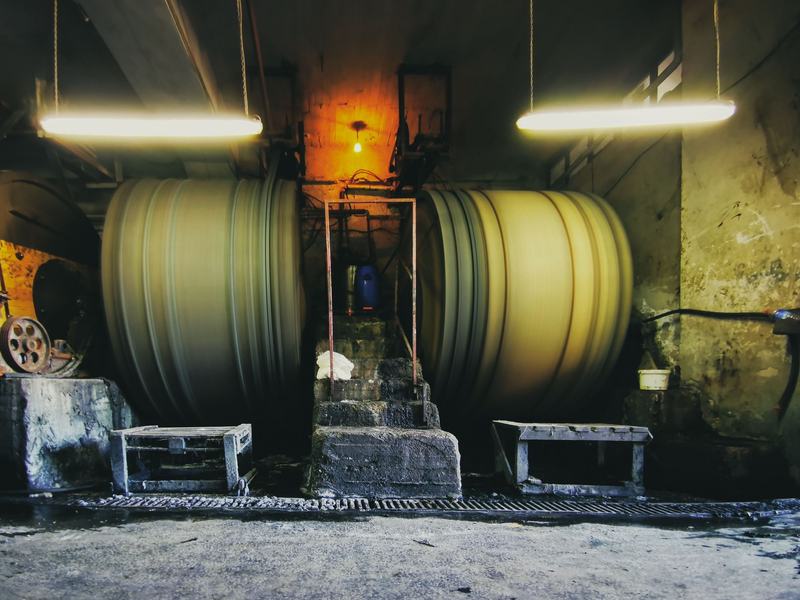
Yellow metal, industrial machinery, generators, materials handling and specialist equipment damaged in incident, fire or transit claims. Catalogued on condition, not on a generic description.
Fire and flood damaged stock
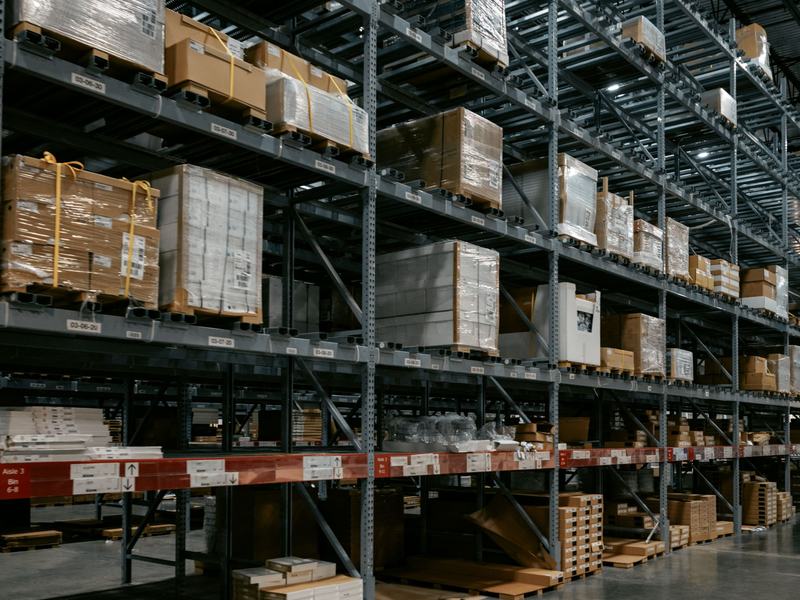
Retail, wholesale and warehouse stock affected by fire, smoke, water or flood. Lotted so saleable, part-damaged and strip-only stock are separated rather than sold as one parcel.

Recovered goods
Goods recovered after theft, hijacking or unlawful removal where the claim has already been settled. Disposed of on the insurer's instruction with the ownership position documented.
Written-off machinery
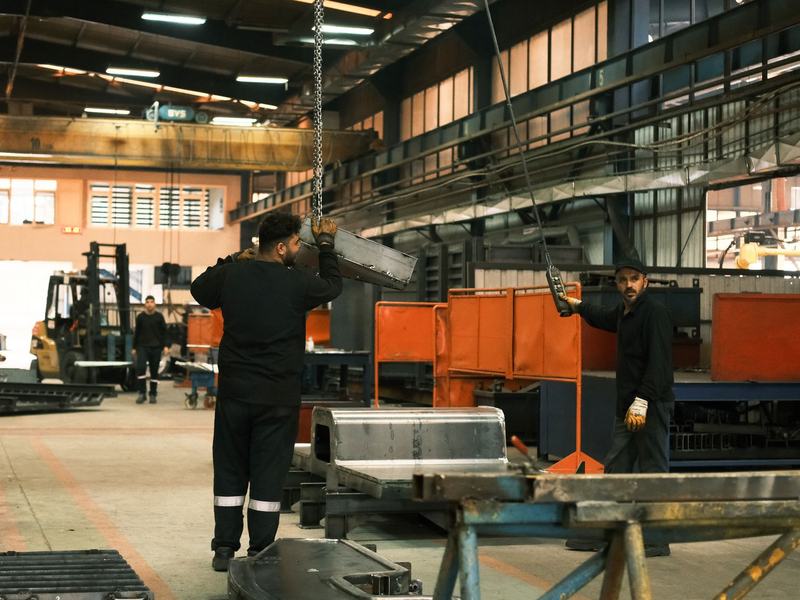
Machinery declared uneconomical to repair, sold to buyers who value it for components, sub-assemblies or rebuild potential rather than for continued service.
General salvage & residual assets
Office and hospitality contents, technology, furniture and mixed residual assets left after a loss event. Disposed of in structured lots with the site cleared as part of the process.
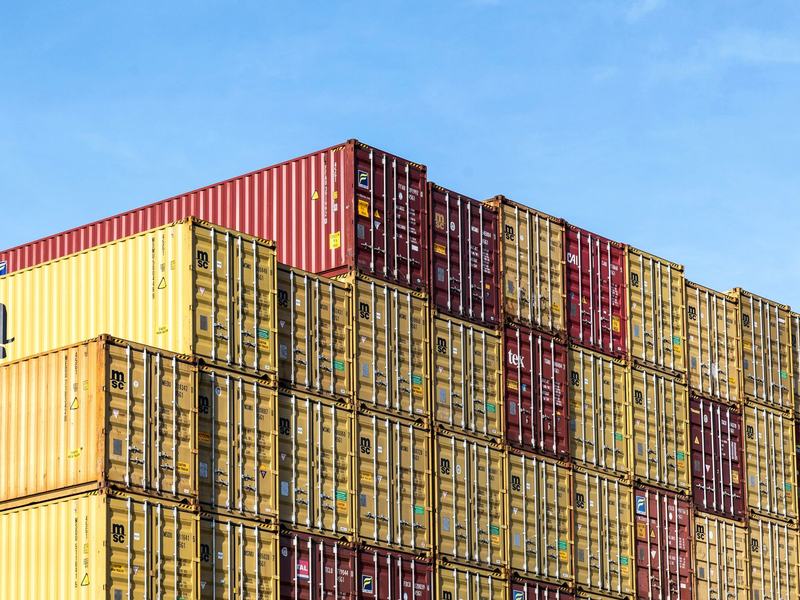
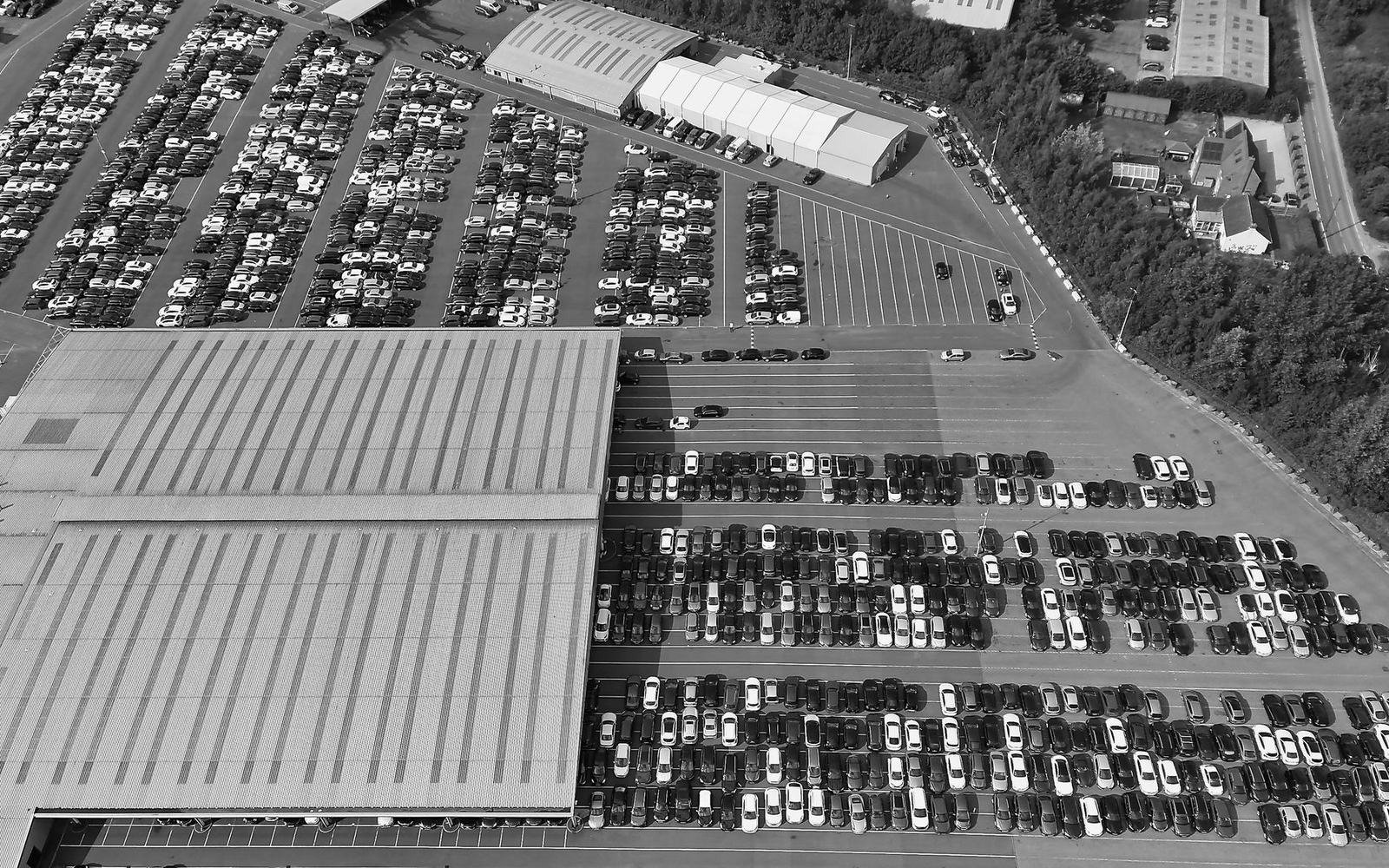
Photography shown is illustrative stock imagery, standing in until NSB Auctions supplies its own salvage and auction photography.
Instruction to settlement
The audit trail is not a report at the end. It is the spine of the process.
Every salvage instruction is a file that may be reviewed later, by an internal claims audit, by a reinsurer, by an ombud enquiry or by a client asking what became of their vehicle. The record has to exist because the process created it, not because someone assembled it afterwards.

Instruction & intake
The salvage instruction is received and recorded against the claim reference. The asset is identified, condition is captured on receipt, and the ownership and release position is confirmed in writing before anything moves.
Assessment & cataloguing
Professional assessment of what the asset actually is and what condition it is in. Identifiers, damage, completeness and photography recorded, so the catalogue reflects the asset rather than flattering it.
Marketing & auction
Targeted marketing to our verified buyer database and digital platforms, then execution in the format that suits the lot. Every bidder is FICA verified, every bid is recorded, every lot has a bid history.
Settlement & reporting
Reconciled financial settlement to the insurer with a disposal report per item, tied back to the original claim reference so the recovery can be posted against the correct file.
Every stage above is recorded against the claim reference the insurer supplies. Nothing is disposed of without a written instruction, and nothing is released to a buyer without verified settlement.
Competitive auction
One buyer sets a price. A room of buyers discovers one.
Selling salvage to a standing buyer at an agreed rate is administratively simple. It is also a negotiation with a single counterparty who knows there is no competing bid.
A competitive auction changes the mechanics. The insurer is no longer negotiating a price, it is observing one being formed by the buyers who want the asset most, under published rules, with the bidding recorded.
That matters twice over. It affects what the asset realises, and it affects how defensible the figure is when someone later asks how the disposal value was arrived at.
Fixed buyer against open auction
| Consideration | Fixed salvage buyer | Competitive auction |
|---|---|---|
| Price formation | Negotiated with one party | Discovered across many bidders |
| Buyer pool | Limited to the appointed buyer | Verified database plus open registration |
| Evidence of value | An agreed rate or offer | A recorded bid history per lot |
| Unusual assets | Priced conservatively or declined | Exposed to specialist buyers who want them |
| Audit position | Relies on the reasonableness of the rate | Relies on an open, documented process |
Comparison of disposal mechanics. It is not a claim about the outcome of any particular mandate.
Documentation & reporting
What lands on the claims manager's desk.
A recovery figure on its own does not close a file cleanly. The claims team needs the figure tied to the item, the item tied to the claim, and the process tied to a record that survives review.
NSB Auctions maintains strict administrative and governance standards across every mandate. Salvage disposal runs on the same reporting discipline as our municipal, mining and liquidation work: comprehensive disposal reports, FICA compliance, audit trails and financial reconciliation.
Reporting on every salvage instruction
- Disposal report per item, referenced to the claim number supplied
- Catalogue record of the asset as received and as sold, with photography
- Recorded bid history evidencing how the realised figure was reached
- FICA verification records for transacting bidders
- Complete audit trail from written instruction through to release
- Financial reconciliation against realised proceeds
- Confirmation of release, with the collecting party recorded
Page status
This page needs client confirmation before it goes live.
Insurance salvage is a new service line. The company profile does not describe it, so everything above is written as generic process. The specifics below must come from NSB Auctions.
1. Service scope. Exactly which salvage services are offered, and which of the asset types listed on this page NSB Auctions actually handles. Any category not handled must be removed.
2. Insurer relationships. Whether NSB Auctions holds any insurer panel appointments, approved supplier listings or standing salvage mandates. None are claimed anywhere on this page. Nothing may be added without written confirmation from the insurer concerned.
3. Storage and transport. Whether salvage is stored at an NSB Auctions facility or remains at the insurer's or a third party yard, who arranges recovery and transport of the asset, who carries the storage cost, and whether there is a stated free storage period.
4. Motor salvage classifications. Whether NSB Auctions handles Code 2, Code 3 and Code 4 motor salvage, and how each is treated. Confirm the position on deregistration, scrapping certificates, police clearance, eNaTIS or NaTIS record handling, and title transfer to the buyer. This is a regulated area and no wording should be published until it is confirmed.
5. Commercial terms. Commission structure on salvage, minimum lot values, whether reserves are accepted, and standard settlement timeframes. No rates, percentages, recovery ratios or turnaround times appear on this page because none have been supplied.
6. Compliance. Second-hand goods dealer registration or any other licence or registration relevant to salvage disposal in the applicable jurisdictions.
Holding salvage you need to move?
Send us the asset details and the claim position. We will come back with a view on disposal approach, the right auction format, and the reporting you will receive.